

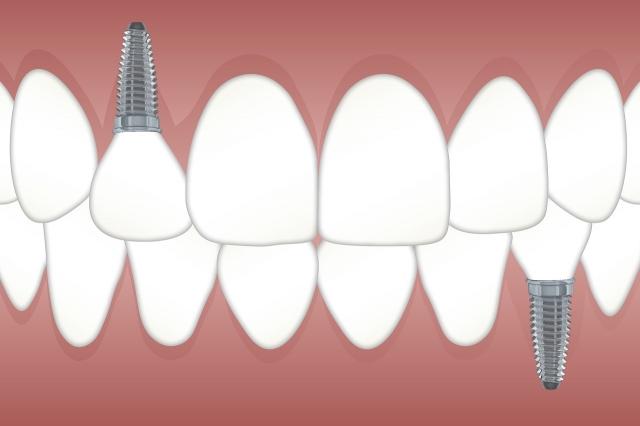
Dental implants have revolutionized dentistry by providing a long-lasting, aesthetically pleasing solution for individuals who have lost one or more teeth. Unlike traditional dentures, dental implants integrate with the jawbone, offering unparalleled stability and function. This integration makes the implants more secure and supports the preservation of jawbone density, which can deteriorate without natural tooth roots.
The advent of better materials, such as biocompatible titanium, and advanced surgical techniques has made implants a popular and effective choice for many seeking to enhance their smiles and improve their quality of life.
The fact that dental implants resemble real teeth more than any other dental treatment in terms of both appearance and function is one of its biggest benefits. This makes implants an ideal solution for those looking to restore the aesthetics of their smile and the functionality they may have lost due to missing teeth.
How Dental Implants Work
Essentially, dental implants are titanium posts surgically placed into the jawbone where teeth are missing. These metal anchors act as tooth root substitutes, providing a stable base for the artificial teeth. After the initial insertion, the bone bonds with the titanium through a process known as osseointegration. Osseointegration is crucial because it ensures that the implant is securely integrated into the jawbone, much like a natural tooth root. This biological bonding phase typically takes several months, allowing for a strong foundation to support true teeth' pressures and functions.
Once osseointegration is complete, a small connector called an abutment is placed on top of the implant. This abutment will eventually hold the custom-made crown that replaces the visible part of the missing tooth. Throughout this process, patients will experience minimal discomfort, and advancements in dental technology have made it possible to achieve remarkable success rates for dental implants.
Benefits of Dental Implants
The advantages of dental implants are numerous, extending far beyond mere aesthetics:
- Enhanced Appearance: Dental implants look and feel like your own teeth. They become permanently bonded to your bone, making them virtually indistinguishable from your actual teeth.
- Improved Oral Health: Unlike bridges, implants don't rely on neighboring teeth for support. This means more natural teeth are left intact, improving long-term oral health. Additionally, implants help maintain the shape and density of the jawbone, preventing the sunken facial appearance that often accompanies tooth loss.
- Durability: Implants are exceptionally durable and can last many years. When maintained properly, many implants can last a lifetime, making them a sensible and affordable long-term investment in dental health.
- Convenience: Implants eliminate the inconvenience and potential embarrassment of removing dentures. There is no need for messy adhesives to keep the prostheses in place, and they require no special maintenance beyond regular dental hygiene practices.
The Dental Implant Process
Getting dental implants typically involves several steps. Each phase is critical for ensuring the long-term success and stability of the implants:
- Initial Consultation: Your dentist will first evaluate your oral health to determine if you are a suitable candidate for dental implants. This initial assessment may include X-rays and 3D images to analyze bone density and structure.
- Surgical Placement: During this phase, a titanium post is surgically inserted into the jawbone. This procedure is usually performed under local anesthesia to minimize discomfort.
- Healing Process: This can take several weeks to a few months as the implant fuses with the jawbone. This process of osseointegration is essential for creating a stable base for the new tooth.
- Abutment Placement: Once healing is complete, an abutment is attached to the implant. This will hold the custom crown in place.
- Crown Placement: Finally, a custom-made crown is attached to the abutment. The crown's appearance and functionality are intended to be completely integrated with your natural teeth.
Who Is a Good Candidate?
Most individuals with good general and oral health can consider dental implants. Key factors include healthy gums and sufficient bone structure to support the implant. However, those with specific illnesses, such as uncontrolled diabetes and heart disease, or those who have undergone radiation therapy to the head or neck may require additional screening. Good oral hygiene and a commitment to post-surgical care are also critical factors in ensuring the success of dental implants. Smokers, in particular, may face a higher risk of implant failure due to the adverse effects of nicotine on healing and bone integration.
Cost and Insurance
Numerous factors, such as the type of implants utilized, the number of implants required, and the intricacy of the surgery, can affect the cost of dental implants. While dental insurance typically doesn't cover the full cost of implants, some plans may offer partial coverage or cover specific aspects of the procedure, such as the initial consultation or the crown. For more information and possible reimbursement choices, it's best to contact your insurance company. To further reduce the cost of the procedure, a lot of dental offices provide financing options.
Investing in dental implants can be viewed as a long-term commitment to oral health, given their durability and the extensive benefits over other tooth replacement options.
Conclusion
Given that they provide a reliable and aesthetically beautiful remedy for tooth loss, dental implants have emerged as a key component of restorative dentistry. Although they involve a considerable investment in time and resources, their benefits far outweigh the drawbacks. Whether you want to replace a single tooth or multiple teeth, dental implants can provide the durability and appearance that traditional prosthetics can't match. Ask your dentist to see if you're a suitable candidate and take the first step toward transforming your smile.